
Few marques combined engineering brilliance and independent thinking quite like Lancia. Vincenzo Lancia, formerly chief test driver at Fiat and one of the most gifted automobile engineers of all time, founded his own company in 1906, and the first Lancia, introduced in 1907, already displayed the unconventional approach that would define the marque for decades. Alongside its cars, Lancia built military vehicles, commercial vehicles and aircraft engines, the latter giving the company valuable experience with V-configuration engines. Having secured its place among the world’s finest cars with the Dilambda, Lancia went on to create a series of exceptional coachbuilt automobiles on the Astura chassis during the 1930s.
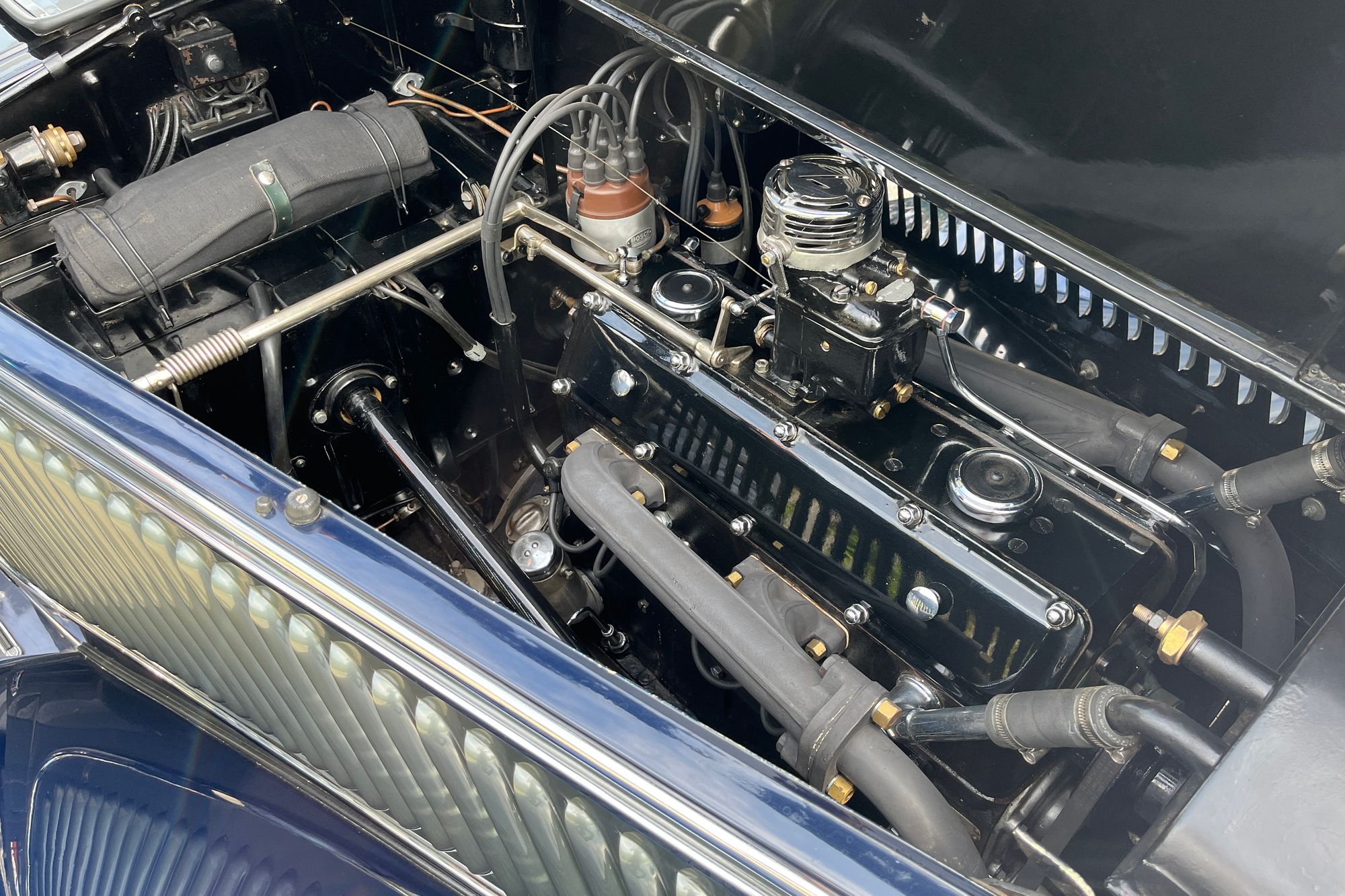
Introduced in 1931, the Astura was Lancia’s flagship of the 1930s and one of the most refined automobiles of its era. At its heart lay an ingenious, narrow-angle V8, and from the outset the chassis was conceived to carry bespoke bodies by Italy’s finest coachbuilders, among them Pinin Farina, Castagna and Touring.
With the Series III of 1934, the engine was enlarged from 2.6 to 3.0 litres, hydraulic brakes were introduced, and the car became available in both short- and long-wheelbase forms. The final Series IV rode on a longer-wheelbase platform chassis that attracted some of the finest coachwork of the period, and it was widely used as official transport by Italian government departments. RHD, like all Lancias of the time, the Astura was a masterpiece of engineering, and only 421 of the 2'946 examples built belonged to the Series IV.
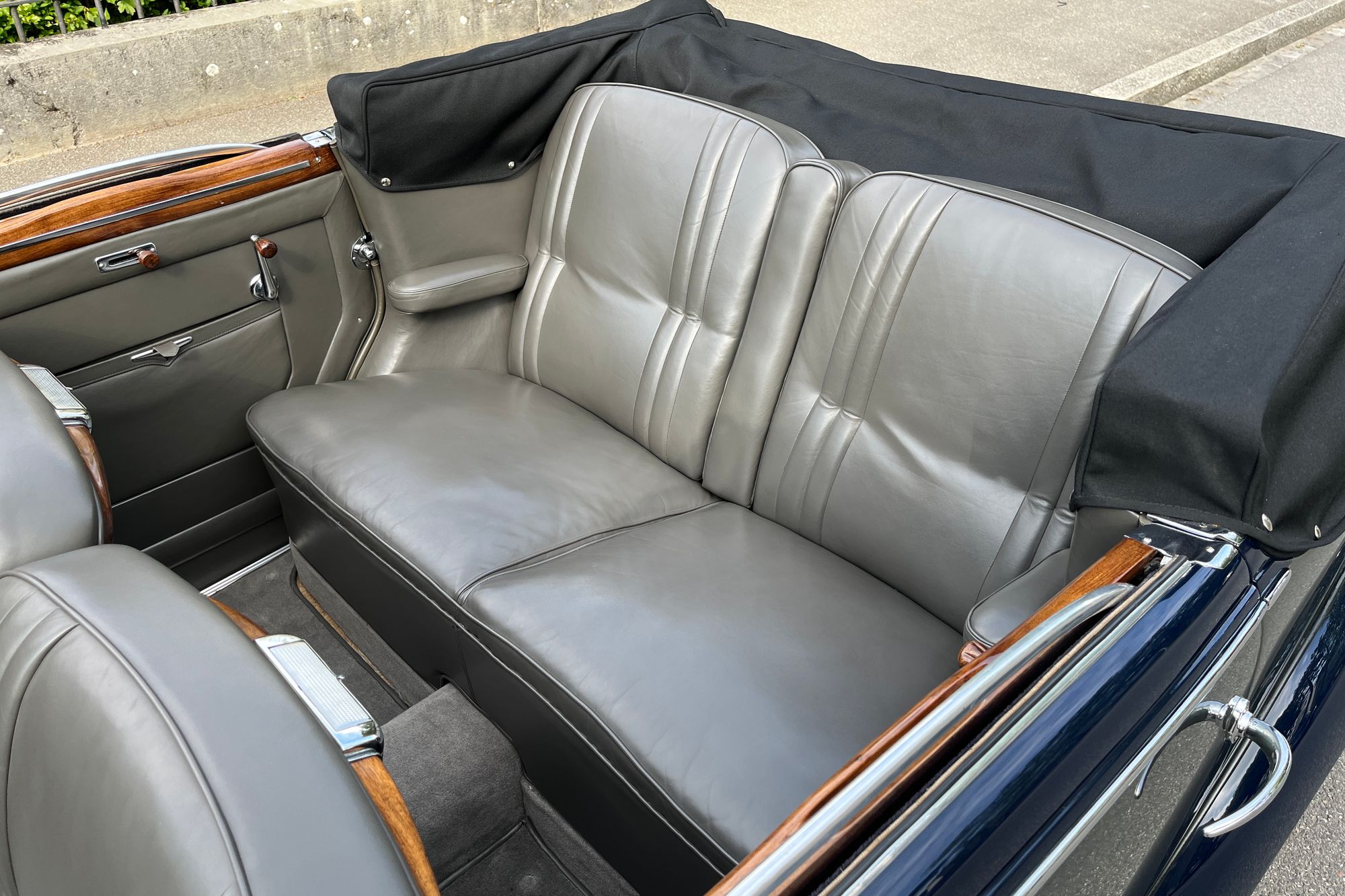
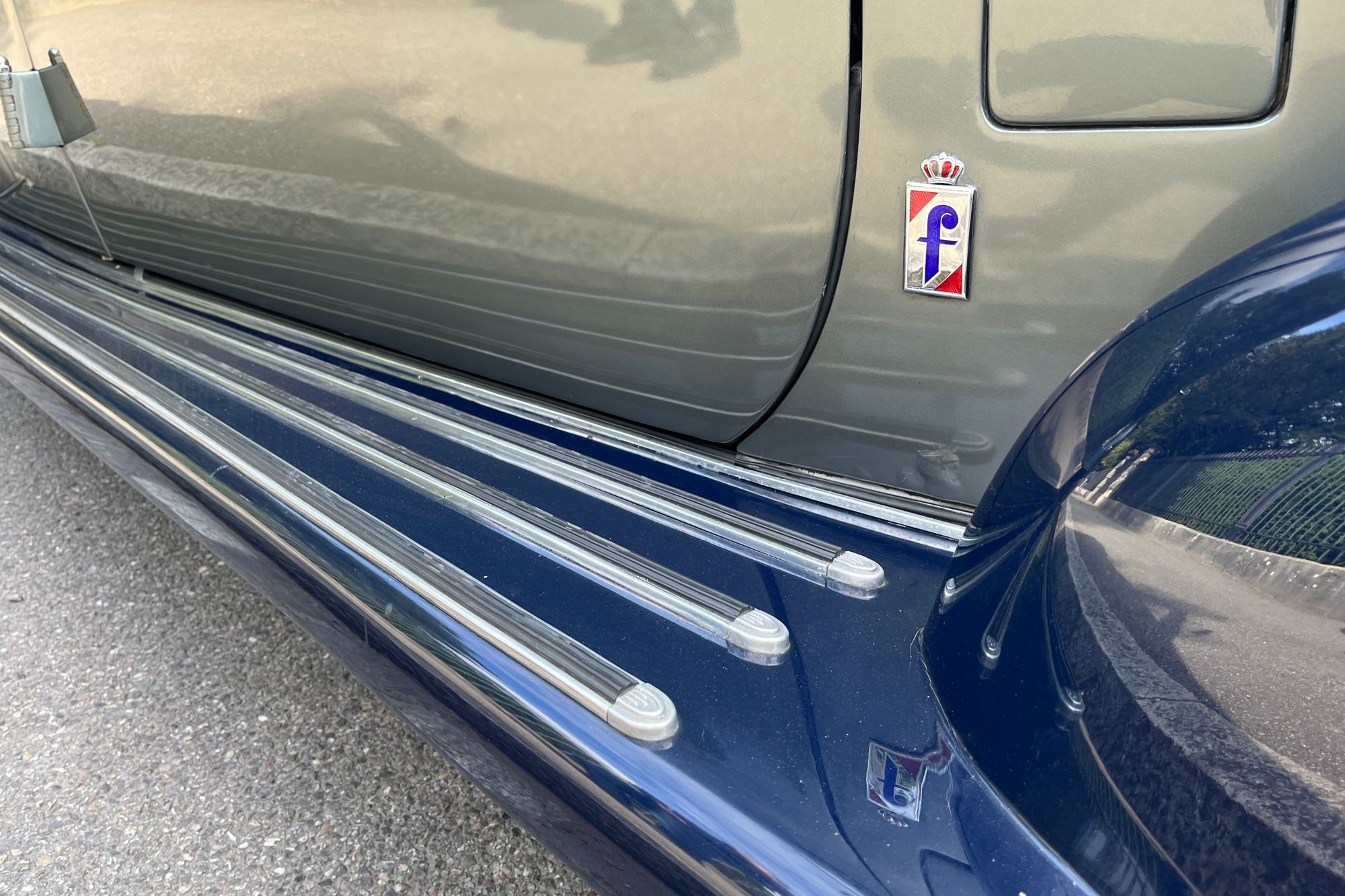
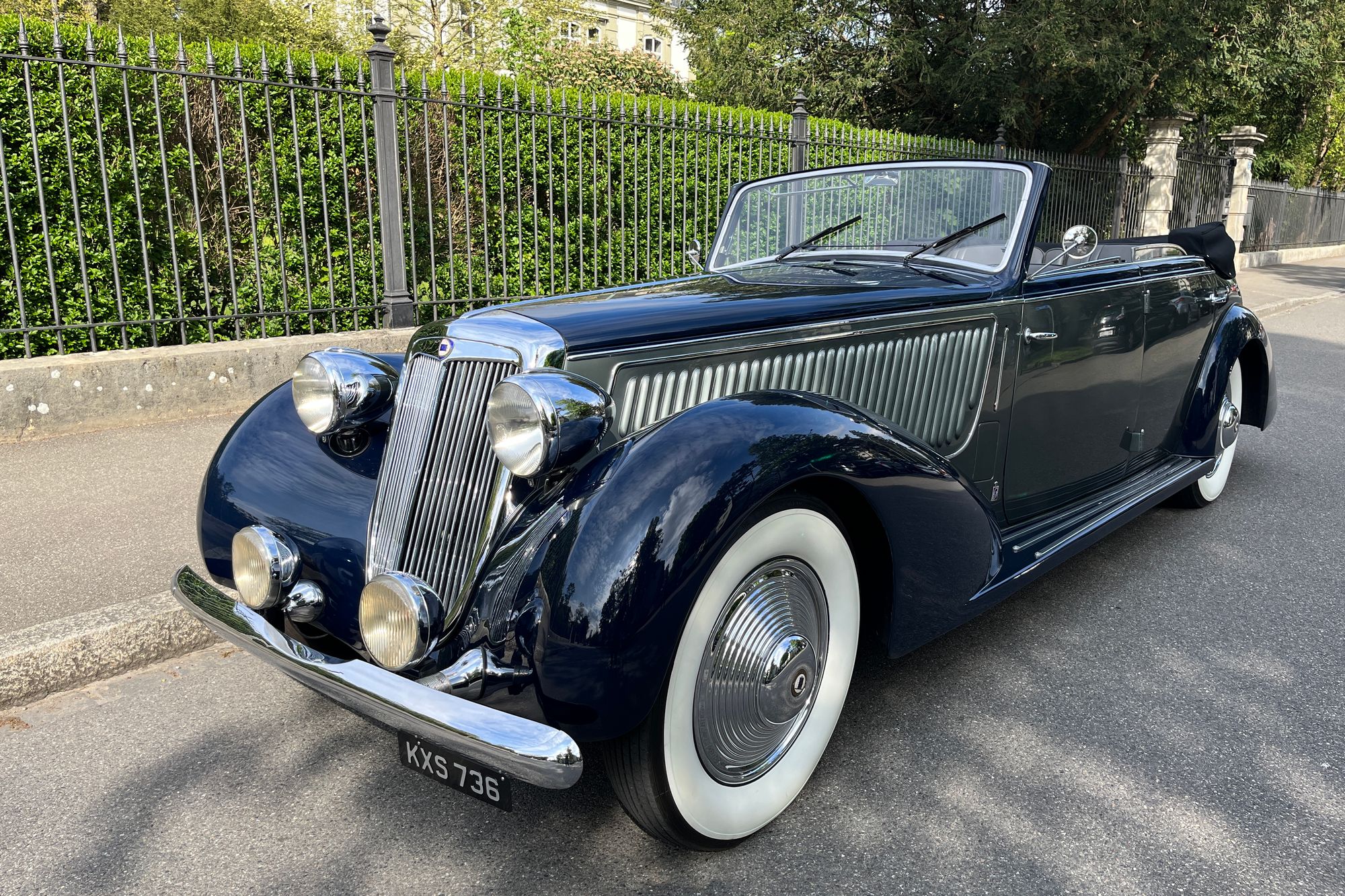
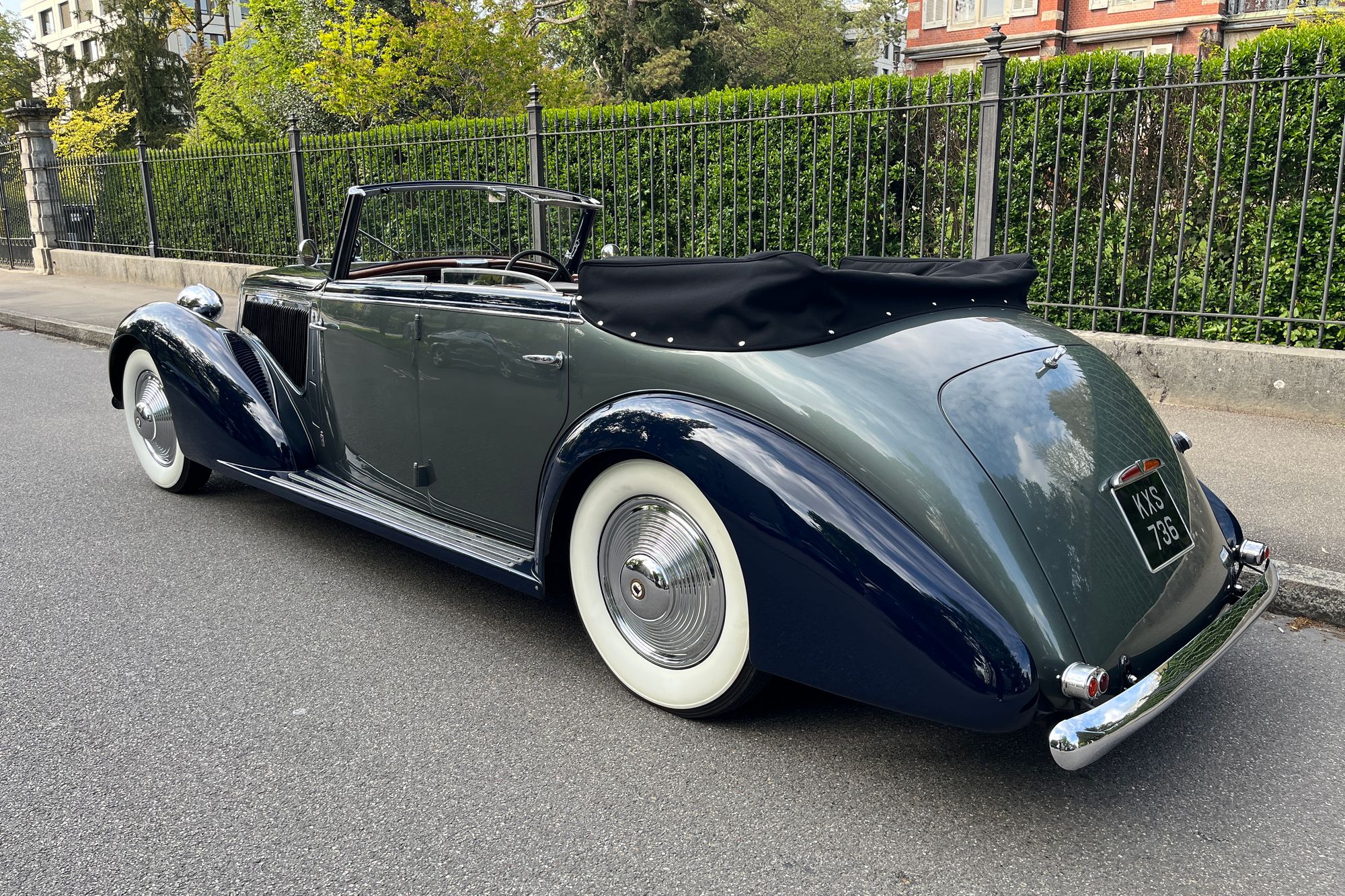
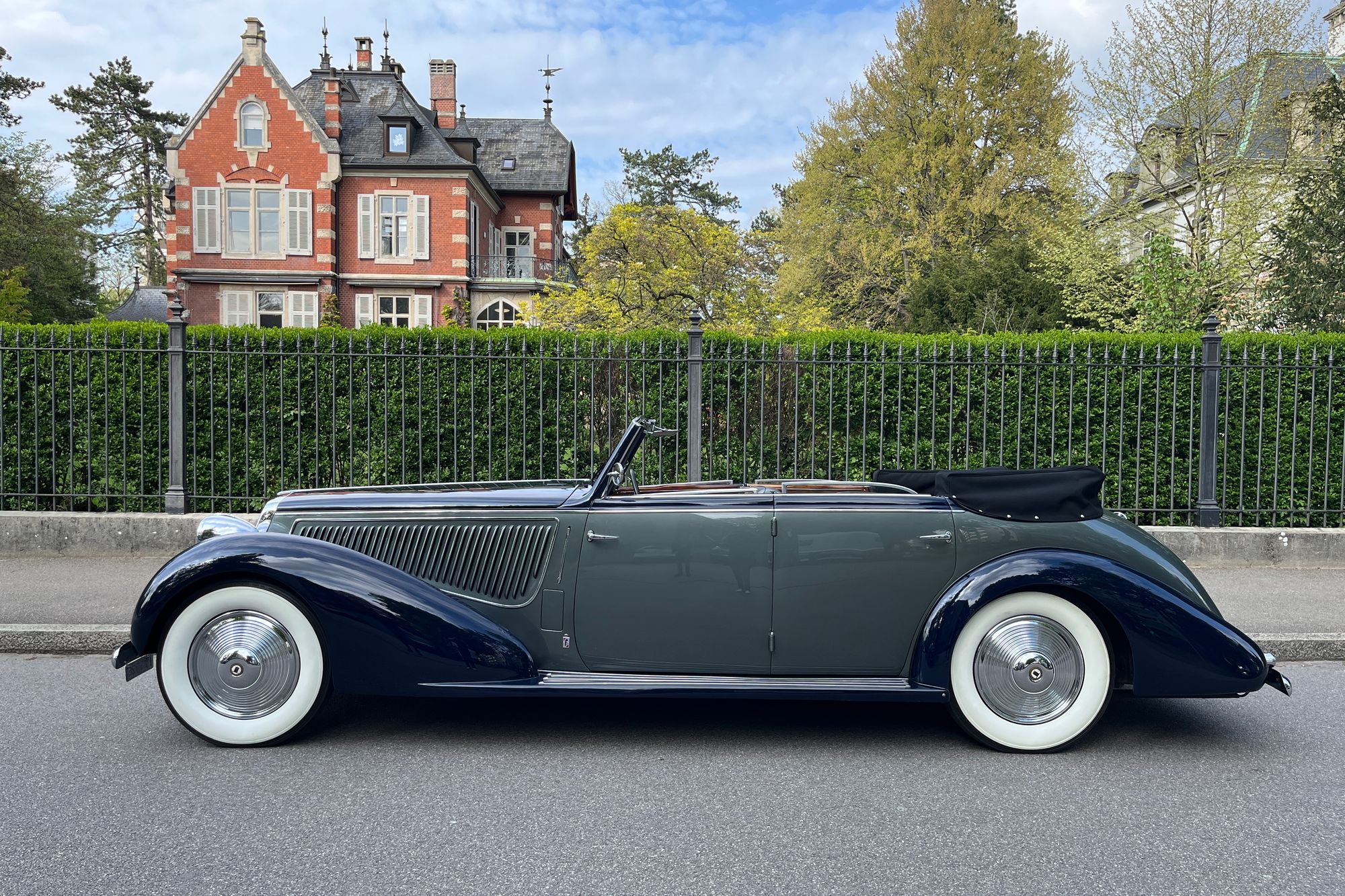
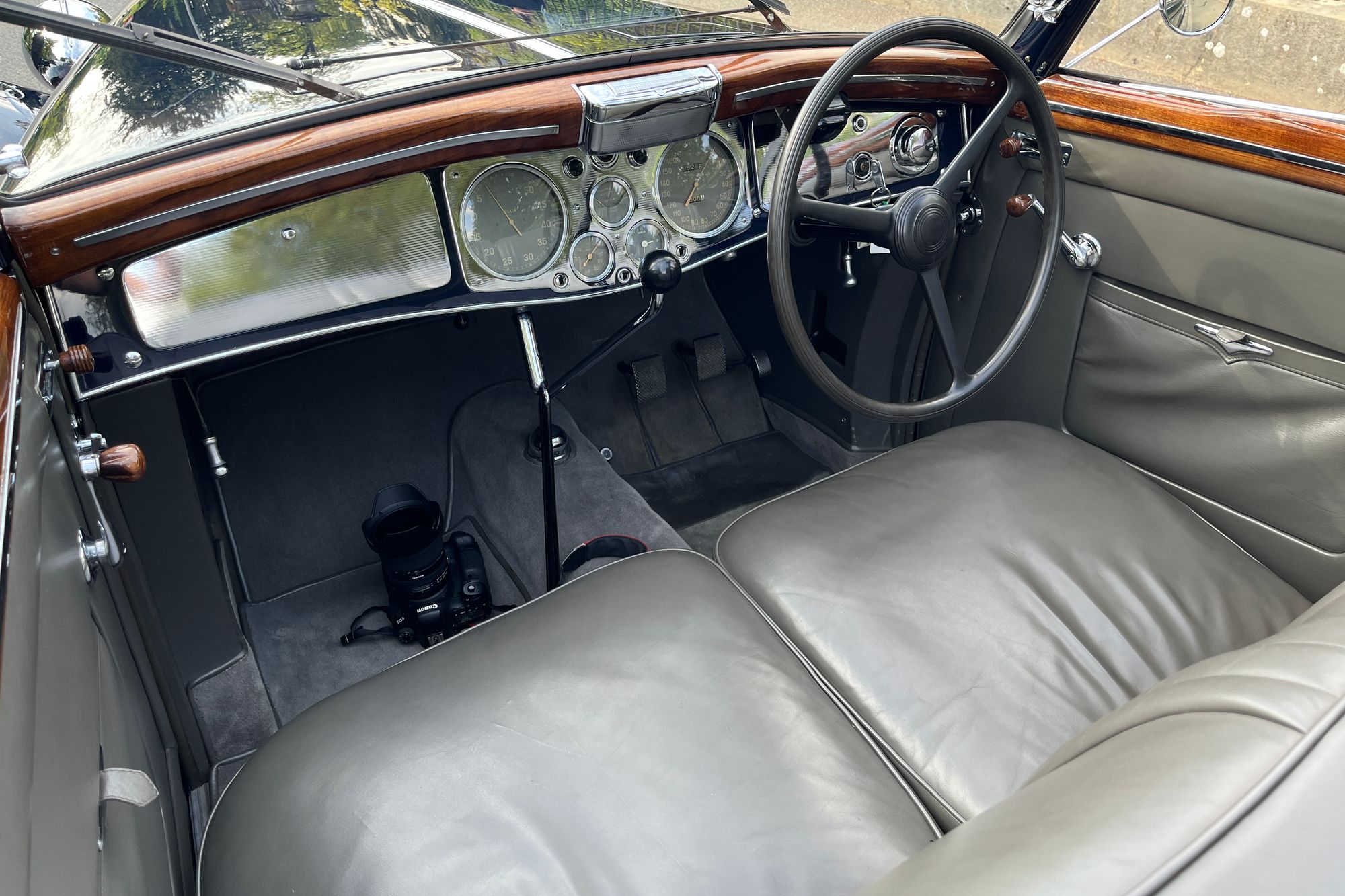
This Lancia Astura Series IV Convertible was, according to its Lancia Classiche Certificate of Origin, on 17 August 1939, just two weeks before the outbreak of the Second World War. Bodied in Aluminium by the then newly founded Carrozzeria Pinin Farina, it was delivered new in Italy and is reputed to have belonged to Benito Mussolini. It features an electro-hydraulically operated soft top, hydraulic brakes and a central lubrication system, all remarkably sophisticated for their time.
Its early history is recorded in a fascinating letter on file from Giancarlo Cappa, the renowned Lancia specialist and a former owner of the car. During the war, the car was reportedly kept in Milan and requisitioned by officials for important occasions. After the war, it was offered for sale in the Italian magazine "Le Ore", advertised as the car of the "Duce", Benito Mussolini. When no buyer came forward, it remained for decades with the Lucchini family of Segrate, until Cappa discovered it in the 1970s, well preserved but in dire need of restoration. Cappa restored the Astura in time for the revival of the Concorso d'Eleganza Villa d'Este, where he presented it, and went on to enjoy numerous Lancia Club events, including a memorable journey to Paris.
One year, during the Italian Grand Prix weekend at Monza, the car was used in the drivers' parade before the race and caught the eye of a gentleman in the paddock: Bernie Ecclestone. The Lancia soon left Italy for Ecclestone's collection in the United Kingdom and was among the cars he offered at auction in 2007.
Carefully looked after in the years that followed, the Astura was entrusted in 2019 to Jonathan Wood Vintage & Thoroughbred Restorations, the UK's foremost specialist on the model. Over 17 months and at a cost of more than GBP 75'000, documented in some 40 pages of invoices, the car received extensive mechanical and cosmetic work to bring it to the highest standard, ensuring that it drives as beautifully as it looks.
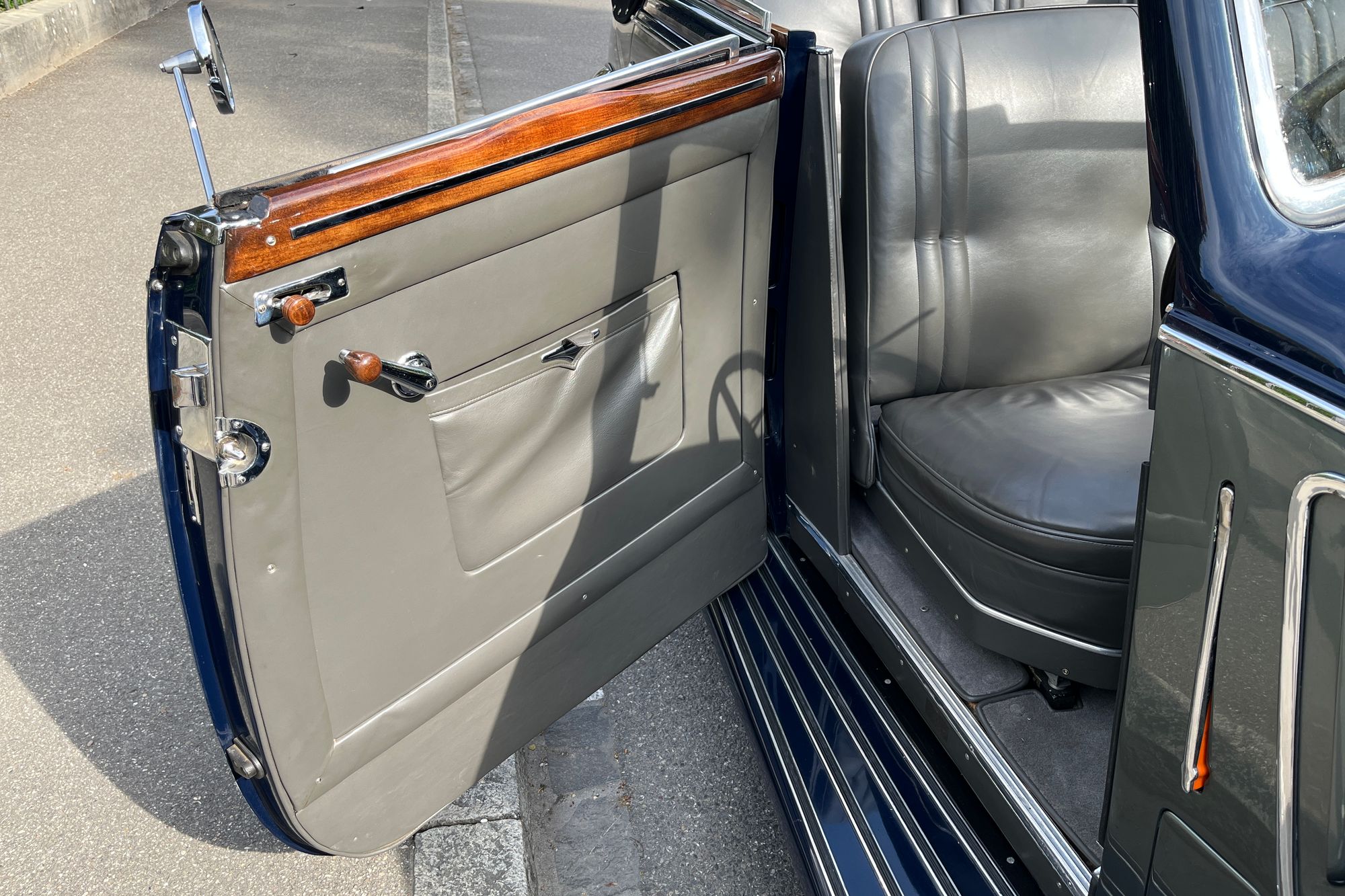
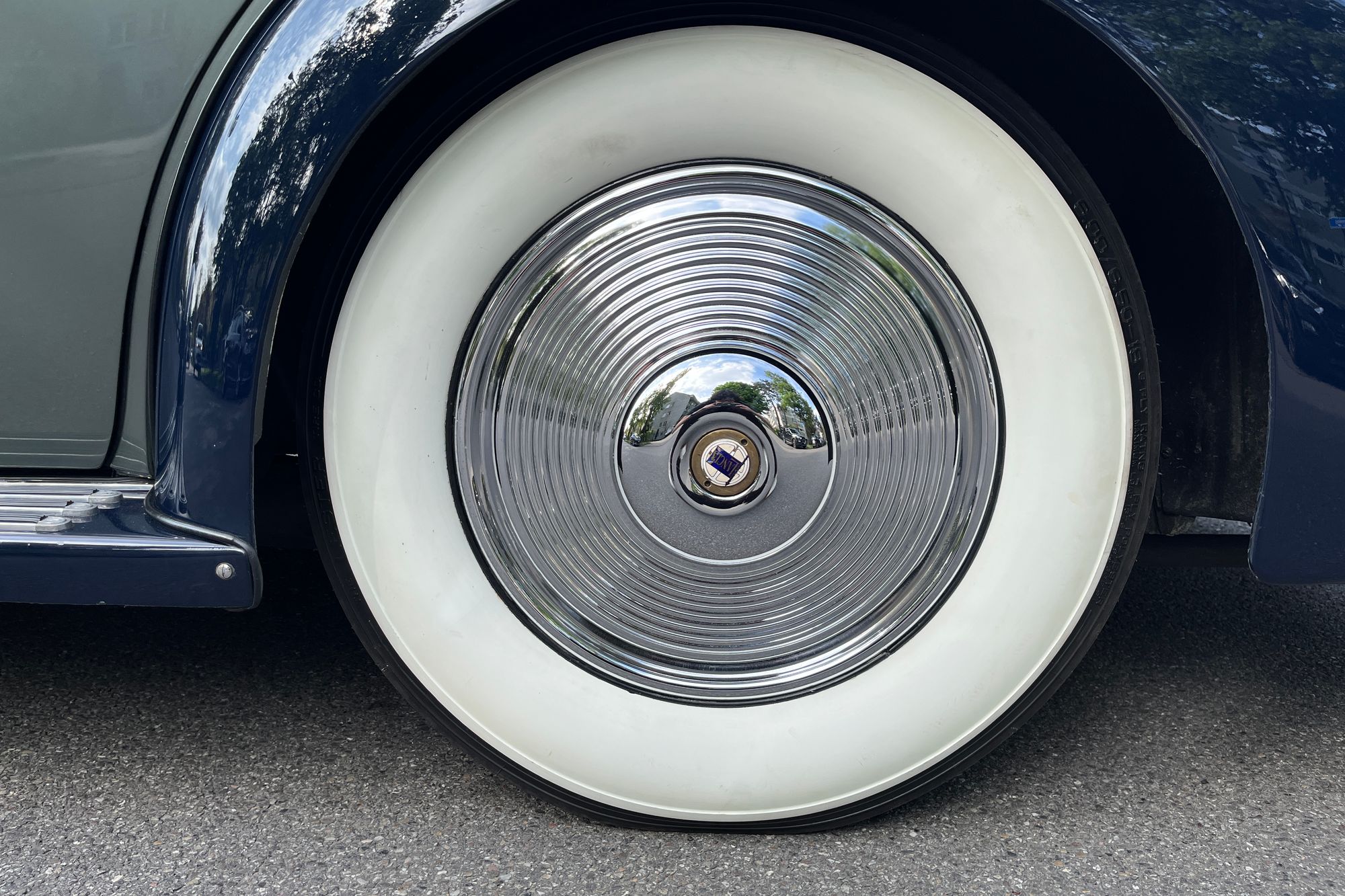
Today, this Lancia Astura Series IV Convertible is presented in its elegant two-tone combination of Blue and Grey with Grey leather and Grey carpets. It is accompanied by its Lancia Classiche Certificate of Origin, Giancarlo Cappa's letter on its history, the invoices and documentation of its restoration, and various original documents.
Please contact us for more information on this Lancia Astura Series IV Convertible.
info@nikihasler.com | +41 (0) 61 375 92 92
Gallery